Selecting the best IVF equipment, particularly the embryo culture incubator, is one of the most important decisions a clinic makes when designing or upgrading a lab. With rapid changes in culture systems, modern IVF incubators, and integrated workflow tools, the goal is no longer just about maintaining stable conditions. Today, labs need to create a high-performance environment that reduces stress on embryos and increases implantation potential.
Below, we outline the main categories of equipment and explore what to consider when picking solutions that support a modern IVF workflow.
Culture Systems: Prioritizing Stability, Flexibility, and Workflow Integration
A reliable culture system allows clinics to maintain steady environmental control from oocyte retrieval through blastocyst development. Consistent temperature, pH, and a low-oxygen gas environment remain essential. Systematic reviews link low-oxygen embryo culture to improved IVF success rates. Leading labs also focus on modularity and reducing dish handling.
When looking at culture systems, embryologists usually look for:
- Minimal lid-opening events
- Small, independent culture chambers
- Flexibility to support both standard and time-lapse culture
- Compatibility with validated media systems and dish formats (our guide on validating new media in your lab covers how to assess this in practice)
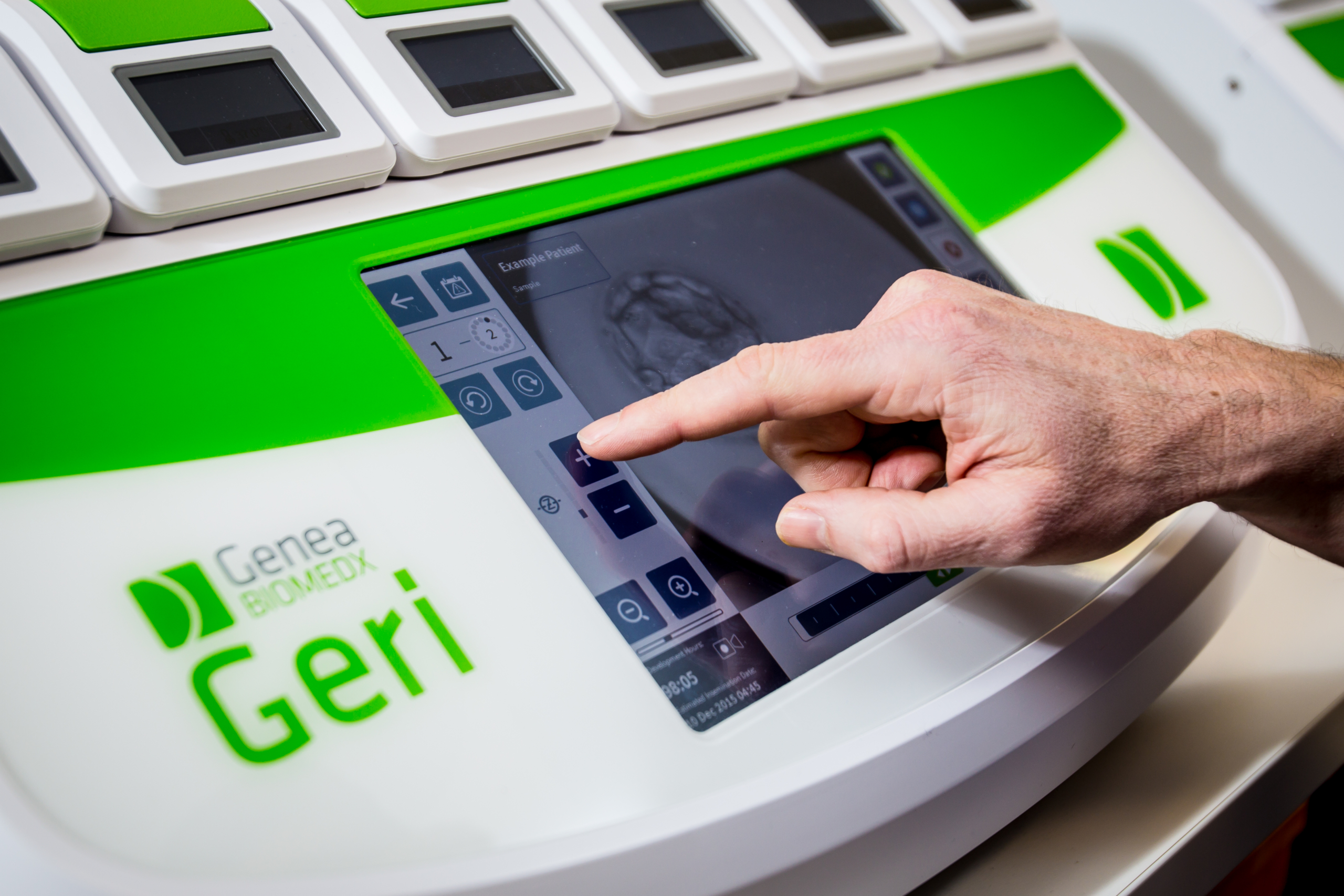
The Geri® system from Genea Biomedx, especially when used with the GEMS® culture media suite, shows this modern approach. It is built around workflow logic to lower variability while keeping daily handling simple for embryologists.
Benchtop Embryo Culture Incubators: Why Mini Chambers Are the Standard
Large box incubators are no longer the only standard in the IVF lab. Today, the preferred embryo culture incubator is often a benchtop model. These feature small-volume chambers that offer quick recovery and limit cross-patient interference. Research on benchtop incubators with lowered oxygen highlights why fast-recovering, stable micro-environments matter for fertilization and embryo development.
Key benefits of modern benchtop IVF incubators include:
- Faster temperature and gas recovery after opening
- Lower risk of cross-contamination
- Individual micro-environments for each patient
- Better workflow efficiency in a busy lab
Whether a clinic chooses a compact benchtop system or a more advanced platform, the main priority must be keeping the environment stable during busy hours. This is especially important for high-volume labs.
Multi-Room Incubators: Scaling Without Compromise
A multiroom incubator fills the gap between large box incubators and single-patient benchtop models. It offers multiple isolated chambers within one machine. This design gives embryologists the flexibility to work on individual patients without exposing others to temperature or gas changes.
Clinics should consider a multi-room system if their lab:
- Handles a high patient volume
- Needs backup chambers for risk management
- Wants a standardized, highly controlled environment across multiple modules
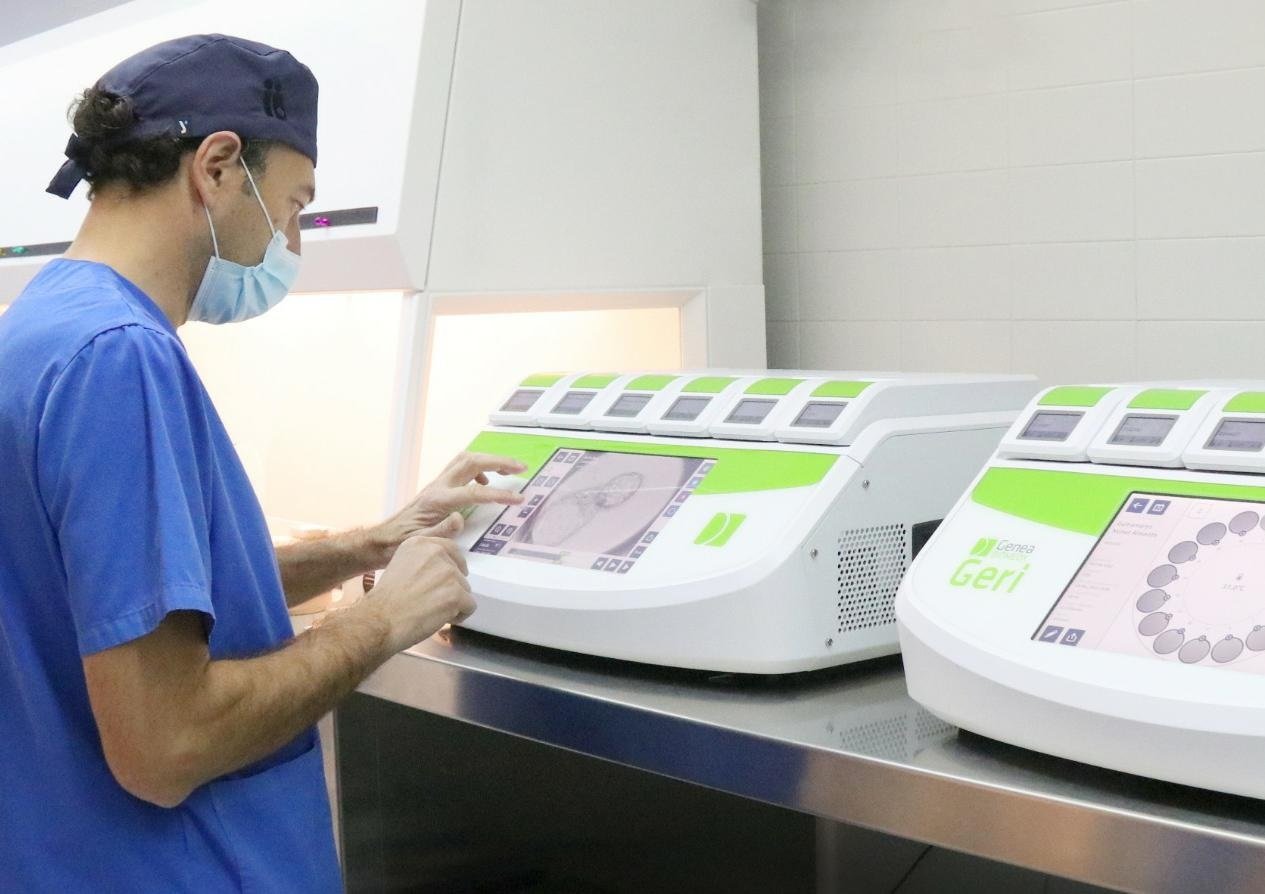
The Geri® incubator from Genea Biomedx is a clear example of this concept. Each patient gets their own completely isolated chamber, which cuts down on disturbance while supporting individualized culture. For a real-world example, you can read how Instituto Bernabeu transformed its embryology lab with Geri.
Time-Lapse Incubators: Insight Without Interruption
Time-lapse incubators have changed modern embryology. They do more than provide continuous imaging. They remove the need to take embryos out of their optimal culture environment for observation. Sibling-oocyte studies report improved blastocyst development and euploidy rates with time-lapse incubators, and ongoing systematic reviews continue to evaluate their role in embryo incubation and assessment. When paired with advanced assessment tools, including validated algorithms and AI solutions (as discussed in our article on the incorporation of AI into IVF), time-lapse systems help make embryo assessment more objective.
When looking at a time-lapse platform, clinics should check:
- Image quality, frame rate, and capture interval
- Number and adjustability of focal planes
- Chamber design (are the embryos for each patient truly isolated?)
- Culture conditions like dry, humid, or both (learn why incubator humidity really matters for IVF outcomes)
- Integrated morphokinetic and annotation tools
- Data storage, export, and reporting options
- AI compatibility (whether it is tied to one system or flexible enough to work with different options)
- Ease of use during busy clinical cycles
The Geri® time-lapse incubator is a patient-focused device that combines uninterrupted culture with real-time imaging inside six fully independent micro-environments.
Matching Equipment to Your Laboratory Goals
When investing in new technology, embryologists and clinic directors need to match equipment choices with lab goals:
- To improve embryo culture stability: Choose multi-chamber IVF incubators and low-disturbance culture systems.
- To scale up or standardize a larger clinic: A modular multiroom incubator allows for predictable growth with consistent operations.
- To improve selection accuracy and documentation: A time-lapse incubator provides deeper real-time insights without changing culture conditions.
- To streamline workflows: Systems like Genea Biomedx’s Geri for incubation and GEMS for media lower variability and make daily tasks easier.
Final Thoughts
Picking the right embryo culture incubator and IVF equipment goes beyond comparing specifications. It involves matching technology to your lab’s workflow and patient load. Whether you are looking at culture systems, upgrading IVF incubators, or moving to time-lapse technology, the best solutions consistently support stable and patient-specific embryo care. You can explore Genea Biomedx’s full range of IVF and embryology lab solutions to see how these systems work together.
Related Articles
-
From Ovaries to the Lab — Understanding Egg Maturity in IVF
The Journey Begins with Your Eggs In IVF (in vitro fertilisation), success begins at the very first step: your eggs. While much attention is placed on fertilisation and embryo development,…